
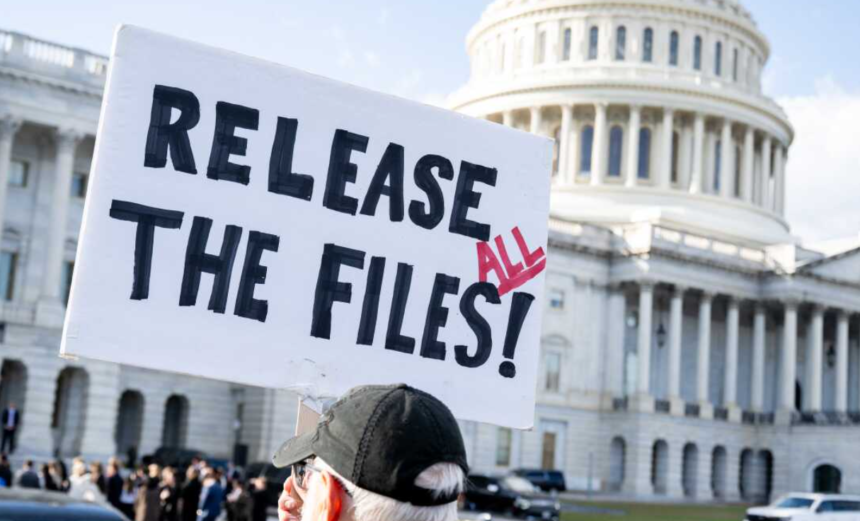
The Trump administration is facing renewed criticism after releasing only a partial set of files related to Jeffrey Epstein, sparking backlash from lawmakers, transparency advocates, and members of the public who had called for full disclosure.
Critics argue that the limited release falls short of earlier promises to make all relevant documents public, fueling suspicions that key information remains withheld. Advocacy groups say the selective disclosure undermines trust and raises questions about whose interests are being protected.
The files that were released include court records and investigative materials already known to the public, according to analysts. Missing, critics say, are documents that could shed light on Epstein’s network of powerful associates and the full scope of his activities.
Opposition lawmakers have demanded a more comprehensive release, urging the administration to clarify why certain materials remain sealed. Some have called for independent oversight to ensure transparency and accountability in handling the case.
The White House has defended the decision, citing legal constraints, privacy concerns, and the need to protect ongoing investigations. Officials insist that the release complies with applicable laws and does not shield wrongdoing.
More Read

The controversy has reignited broader debates about government transparency, elite accountability, and the long shadow of the Epstein case, which continues to draw public scrutiny years after his death.
As pressure mounts, calls are growing for the administration to release the remaining documents and bring closure to one of the most sensitive and closely watched cases in recent history.