

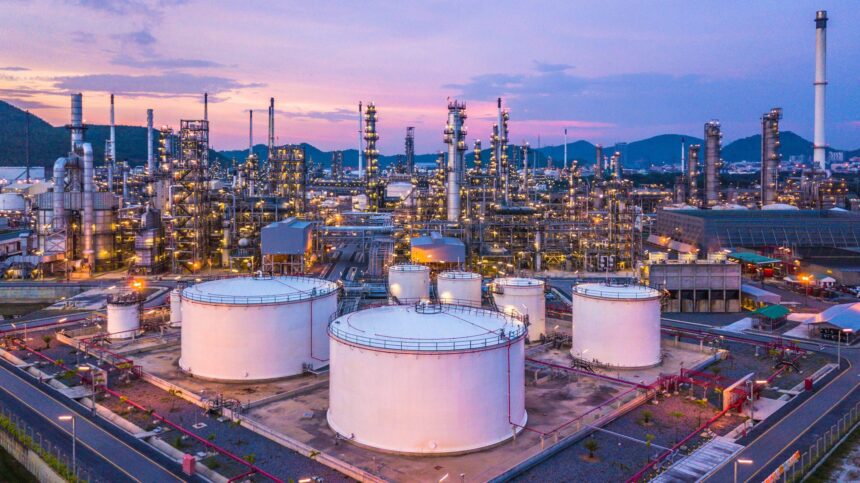
MOSCOW — Russia has publicly acknowledged and broadcast images of a Ukrainian drone strike on the Ryazan oil refinery, drawing fresh attention to the role of energy infrastructure in the ongoing war.
Reuters reported that Russian state television showed footage of the facility following the attack, a departure from the more limited public treatment of similar incidents in the past.
The strike has become part of a wider dispute over energy security, the war’s economic consequences and the effect of attacks on oil facilities on global fuel markets.
U.S. President Donald Trump has criticized Ukrainian strikes on Russian refineries while seeking ways to ease pressure on fuel prices. Russia and Ukraine have offered differing accounts of recent developments, including the status of an energy ceasefire that had not been confirmed by both sides.
Oil prices can be influenced by many factors, including supply disruptions, shipping risks, production decisions, sanctions and expectations about future demand. A refinery attack does not automatically translate into an immediate increase in prices at American gas stations.
More Read

For U.S. consumers, the broader concern is whether continued conflict will disrupt energy supplies or increase uncertainty in global markets. Businesses that depend heavily on fuel can also face higher operating costs if prices rise.
Diplomatic efforts and the condition of energy infrastructure will remain important factors to watch. Further developments could affect international relations as well as the outlook for fuel markets.