
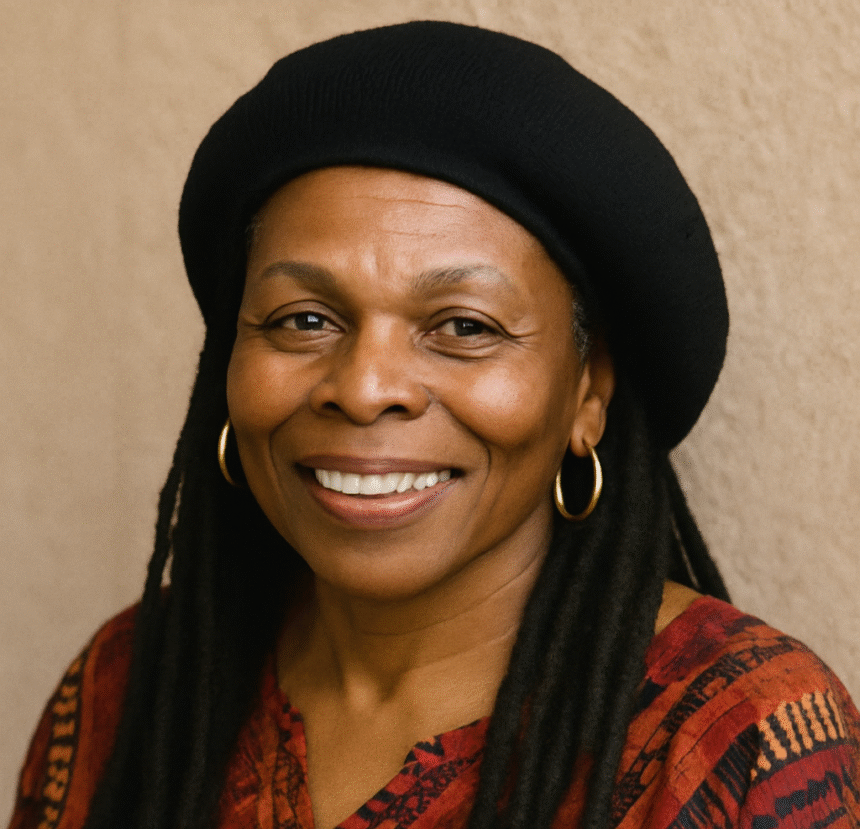
Assata Shakur, one of the most polarizing figures in America’s modern history and a symbol of both revolutionary struggle and controversy, has died at the age of 78 in Cuba, where she had lived for more than four decades in exile.
Born JoAnne Chesimard in 1947 in Queens, New York, Shakur emerged as a prominent activist during the turbulent years of the civil rights era. She was first associated with the Black Panther Party before joining the Black Liberation Army, a group that clashed violently with U.S. authorities in the 1970s.
In 1973, Shakur was involved in a confrontation on the New Jersey Turnpike that resulted in the death of State Trooper Werner Foerster. Although Shakur maintained that she was wrongfully convicted, she was sentenced to life in prison in 1977. Two years later, in a daring escape supported by allies, she fled incarceration and ultimately found political asylum in Cuba, where Fidel Castro’s government welcomed her as a revolutionary.
For decades, Shakur remained a figure of deep division. To her supporters, she represented courage in the fight against systemic racism and injustice. To U.S. authorities, she was a fugitive from justice and, in 2013, she became the first woman to be placed on the FBI’s Most Wanted Terrorists list with a $2 million reward for her capture.
Despite her notoriety, Shakur lived a relatively quiet life in Havana, occasionally speaking out in defense of social justice causes but largely removed from the public eye. Her presence in Cuba often strained U.S.–Cuban relations, serving as a reminder of unresolved political tensions dating back to the Cold War.
More Read

Her passing marks the end of a complex and contentious legacy—one that continues to inspire debate over activism, accountability, and the meaning of justice. To many, Assata Shakur will be remembered as a revolutionary voice silenced in exile; to others, as a fugitive who never faced the full weight of the law.